Don't miss our Limited-time offer - up to 20% OFF!
.png)
The Ultimate Pearl Buying Guide: How to Choose High-Quality Pearls (Avoid These 7 Common Mistakes)

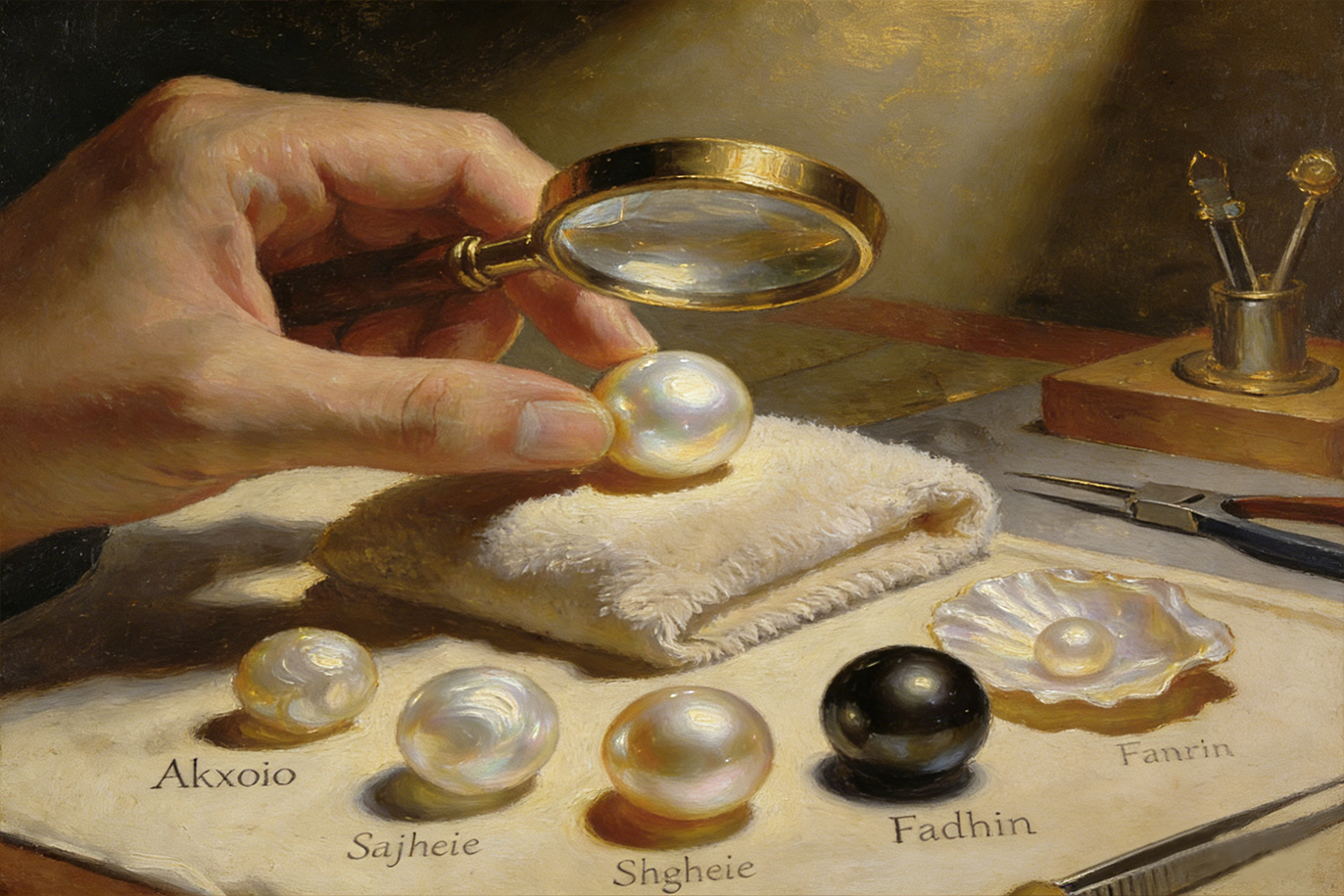
For centuries, pearls have stood as the ultimate symbol of timeless elegance, quiet luxury, and heartfelt meaning. Unlike mined gemstones, each pearl is a living miracle—formed organically inside a mollusk, with no two stones ever exactly alike. But for both new and seasoned pearl lovers, navigating the world of pearl jewelry can feel overwhelming: how do you tell a high-quality pearl from a low-grade one? What do terms like “Akoya”, “South Sea”, and “nacre thickness” actually mean? And how do you make sure you’re investing in a piece that will last a lifetime, not just a few wears?
At Pearlith, we’ve spent years sourcing and crafting fine pearl jewelry, and we’re breaking down everything you need to know in this definitive guide. We’ll cover the universal grading standards, the key factors that determine a pearl’s value, and the most common mistakes buyers make—so you can shop with total confidence.
The 7 Core Factors That Define Pearl Quality (GIA Standard)
The Gemological Institute of America (GIA), the global authority on gemstone grading, uses 7 key factors to evaluate pearl quality. These are the non-negotiable metrics you should check with every purchase:
- Luster: The Soul of the PearlLuster is the single most important factor in a pearl’s quality and beauty. It refers to the sharpness of the reflection on the pearl’s surface, and the deep, glowing iridescence that shines from within. A high-quality pearl will have a mirror-like luster: you can clearly see your reflection on its surface, with bright, sharp edges and a warm, radiant glow. Low-grade pearls have a dull, chalky, or flat appearance, with no depth to their shine.Pro Tip: Never buy a pearl without seeing a clear photo or video of its luster. Even a perfectly round pearl is worthless if it has poor luster.
- Nacre Thickness: The Foundation of LongevityNacre is the iridescent organic substance that forms the pearl, layer by layer, inside the mollusk. Thicker nacre is the #1 predictor of a pearl’s longevity: it’s what keeps the pearl’s luster bright for decades, even with regular wear. For saltwater pearls (Akoya, South Sea, Tahitian), high-quality pieces will have a nacre thickness of at least 0.4mm, with top-tier pearls reaching 1mm or more. Thin nacre will wear away quickly, revealing the dull bead nucleus inside, and can crack or chip easily.
- Surface Quality: Cleanliness & CharacterNo natural pearl is 100% flawless—and that’s part of its unique charm. Surface quality refers to the number, size, and visibility of blemishes, spots, or imperfections on the pearl’s surface. A top-grade pearl will have minimal, unnoticeable blemishes that don’t affect its luster or structural integrity. Minor surface marks are normal, and don’t automatically mean a pearl is low-quality. What you want to avoid are deep pits, large cracks, or extensive peeling that will damage the pearl over time.
- Shape: Roundness Isn’t EverythingWhile perfectly round pearls are the most iconic and traditionally valuable, they’re far from the only option. Pearls come in a wide range of shapes: near-round, oval, button, baroque, drop, and keshi. Baroque pearls, with their unique, irregular shapes, have exploded in popularity in recent years for their one-of-a-kind character and modern appeal. The key here is symmetry: a well-shaped pearl, whether round or baroque, will have a balanced, pleasing form that fits its design.
- Color: Overtone Is The Secret To DepthPearl color has two components: body color (the main, base color of the pearl) and overtone (the subtle, secondary color that floats over the surface). Body colors range from classic white and cream, to silver, gold, peach, lavender, and the deep black of Tahitian pearls. Overtone is what gives a pearl its depth: for example, a white Akoya pearl with a pink overtone will have a warm, flattering glow on all skin tones, while a silver overtone will have a crisp, cool elegance. There’s no “best” color—only the color that speaks to you and complements your skin.
- Size: Bigger Isn’t Always BetterPearl size is measured in millimeters (mm) across the diameter. Generally, larger pearls are rarer and more expensive, but size should always come second to quality. A 7mm Akoya pearl with exceptional luster and thick nacre will always be a better investment than a 10mm pearl with dull shine and thin nacre. For reference: everyday studs are typically 6-8mm, statement necklaces start at 10mm+, and South Sea pearls often range from 12-20mm.
- Matching: For Strands & SetsMatching only applies to pearl strands, earrings, and multi-pearl pieces. It refers to how well the pearls align in luster, shape, color, size, and overtone. A perfectly matched strand will have pearls that look consistent from end to end, with no obvious differences between individual stones. Even slight mismatches can make a strand look unbalanced and cheap, so this is a critical factor for multi-pearl jewelry.
The 7 Most Common Pearl Buying Mistakes To Avoid
- Mistake 1: Assuming saltwater pearls are always better than freshwater pearlsThis is the biggest myth in the pearl industry. While saltwater pearls (Akoya, South Sea) have long been the standard for luxury, modern freshwater pearl farming has advanced exponentially. Top-grade freshwater pearls can have luster, nacre thickness, and beauty that rivals even the finest saltwater pearls—at a fraction of the price. For new buyers, high-quality freshwater pearls are an incredible entry point into fine pearl jewelry.
- Mistake 2: Prioritizing roundness over lusterMany new buyers fixate on perfect roundness, but luster is always the most important factor. A slightly off-round pearl with mirror-like luster will look far more beautiful and luxurious than a perfectly round pearl with dull, chalky shine.
- Mistake 3: Ignoring nacre thickness entirelyNacre thickness is the difference between a pearl that lasts 6 months and one that’s passed down for generations. Unethical sellers will often sell thin-nacre pearls at a discount, but these will lose their shine and fall apart quickly. Always ask for the nacre thickness before buying.
- Mistake 4: Thinking natural pearls are better than cultured pearlsNearly all pearls sold today are cultured pearls—meaning they’re grown with a small human-assisted implant inside the mollusk, following the exact same natural formation process as wild pearls. Natural wild pearls are extremely rare, prohibitively expensive, and almost never found in modern jewelry. Cultured pearls are not “fake” or “synthetic”; they are real, organic pearls, and the only ethical option for fine pearl jewelry.
- Mistake 5: Buying based on price aloneWhen it comes to pearls, you almost always get what you pay for. If a deal seems too good to be true—like a “South Sea pearl necklace” for under $200—it almost certainly is. Low-priced pearls are almost always low-grade, with thin nacre, poor luster, and extensive blemishes. Invest in the highest quality piece you can afford, even if it’s smaller: it will last far longer and hold its value better.
- Mistake 6: Overlooking how the pearl complements your skin toneThe most beautiful pearl in the world won’t shine if it doesn’t flatter your skin. For cool skin tones, look for pearls with silver, white, or blue overtones. For warm skin tones, cream, gold, and pink overtones will glow beautifully against your skin. Neutral skin tones can pull off nearly any pearl color.
- Mistake 7: Not buying from a trusted, specialized sellerPearls are a unique gemstone, and they require specialized knowledge to source and grade correctly. Big-box retailers and fast-fashion brands rarely have the expertise to properly grade pearls, and often overcharge for low-grade pieces. Always buy from a seller that specializes in pearls, provides clear grading information for every piece, and offers a transparent return policy.
Final Thoughts
A fine pearl piece is more than just jewelry—it’s a wearable piece of art, a symbol of life’s most meaningful moments, and an heirloom that can be passed down for generations. By focusing on the core quality factors, avoiding common pitfalls, and buying from a trusted source, you can find a pearl piece that you’ll love wearing for a lifetime.
At Pearlith, every pearl in our collection is hand-selected for exceptional luster, thick nacre, and timeless beauty. We provide full grading details for every piece, so you know exactly what you’re investing in—no fine print, no hidden compromises.